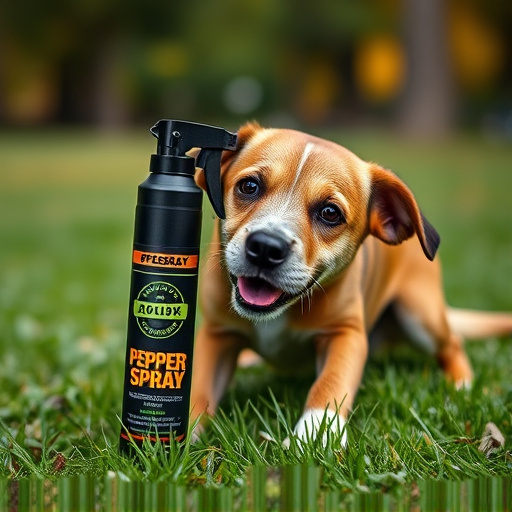
In the US, state laws govern pepper spray use as a defense against dog attacks, creating diverse protection frameworks. Half of states have legislation addressing this issue, with varying rules on who can carry it, where it's permitted, and under what circumstances. Understanding these Pepper Spray Dog Laws by State is vital for citizens' safety, enabling informed decisions within legal limits. When selecting pepper spray, choose products designed for canine deterrence, and train users on proper deployment to ensure effectiveness and minimize harm. Always use it as a last resort, targeting only the face and eyes, after assessing the situation.
In many regions, pepper spray is emerging as a crucial tool in dog attack prevention. With varying state-specific regulations regarding its use, understanding Pepper Spray Dog Laws by State is essential for responsible ownership and public safety. This article delves into the role of pepper spray in deterring canine aggression, explores current laws nationwide, provides tips on choosing the right product, and shares best practices for safe usage against dogs.
- Understanding Pepper Spray Dog Laws: A National Overview
- The Role of Pepper Spray in Dog Attack Prevention
- State-Specific Regulations: Where Does Your State Stand?
- Choosing the Right Pepper Spray for Canine Deterrence
- Best Practices and Safety Tips for Using Pepper Spray Against Dogs
Understanding Pepper Spray Dog Laws: A National Overview
In the United States, the use of pepper spray as a defense against dog attacks is governed by a patchwork of state laws and regulations, creating a diverse landscape for citizens looking to protect themselves. Each state has its own Pepper Spray Dog Laws by State, dictating who can carry pepper spray, where it can be used, and under what circumstances. Some states allow any individual over a certain age to carry pepper spray for self-defense against dogs, while others restrict its use to licensed individuals or in specific situations like when facing an aggressive dog while on official duties.
A national overview reveals that roughly half of U.S. states have some form of legislation addressing the use of pepper spray as a means of dog attack prevention. However, the specifics vary widely, with some states having relatively permissive laws and others being more restrictive. Understanding these Pepper Spray Dog Laws by State is crucial for citizens seeking to stay safe in their communities, as it empowers them to make informed decisions about personal protection while navigating the legal framework surrounding pepper spray usage against dogs.
The Role of Pepper Spray in Dog Attack Prevention
In recent years, pepper spray has emerged as a valuable tool in dog attack prevention, especially for individuals who are at high risk of encountering aggressive canines. Pepper spray is designed to temporarily incapacitate an attacker by causing intense irritation and pain in the eyes and respiratory system. This gives the victim precious time to escape or defend themselves until help arrives. The use of pepper spray can be particularly effective in deterring dog attacks, as it allows individuals to neutralize a potential threat quickly and safely.
The effectiveness of pepper spray in dog attack prevention is supported by various state laws across the US, known as Pepper Spray Dog Laws by State. These laws acknowledge the benefits of carrying pepper spray for self-defense against dogs and often provide legal protection for its use under certain circumstances. By understanding local regulations and taking appropriate precautions, individuals can better protect themselves and their loved ones from potential dog attacks.
State-Specific Regulations: Where Does Your State Stand?
Every state in the US has its own set of laws and regulations regarding pepper spray use, especially in relation to dog attacks. Understanding these pepper spray dog laws by state is crucial for both dog owners and those who frequent public spaces with their canine companions. These regulations dictate when and how pepper spray can be used as a defense mechanism against aggressive dogs.
Some states have more stringent rules, prohibiting the use of pepper spray on dogs unless it’s to prevent an immediate threat to human safety. Other states allow for broader usage under specific conditions. For instance, certain laws might require individuals to attempt de-escalation methods first or mandate that the spray be used in a particular way to avoid unnecessary harm to the animal. Knowing your state’s specific regulations is key to ensuring compliance and effectively protecting yourself during potential dog attack scenarios.
Choosing the Right Pepper Spray for Canine Deterrence
When considering pepper spray as a dog attack prevention tool, choosing the right product is paramount. It’s essential to select a spray specifically designed for canine deterrence, as these formulations are typically stronger and formulated to temporarily incapacitate rather than just cause discomfort. These products often come in various strengths, with legal considerations playing a crucial role in your decision. Understanding Pepper Spray Dog Laws by State is vital; each state has different regulations regarding the possession and use of pepper spray, so ensure the product you choose complies with local laws.
The right spray should offer a balance between potency and control, allowing for effective deterrence without causing excessive harm. Look for sprays with specific active ingredients known to be effective against dogs, and consider factors like range, wind resistance, and ease of application. Additionally, training is critical; users must learn the proper techniques to deploy the spray effectively while minimizing potential off-target effects.
Best Practices and Safety Tips for Using Pepper Spray Against Dogs
When considering pepper spray as a defense against dog attacks, it’s crucial to understand best practices and safety tips. Firstly, familiarize yourself with Pepper Spray Dog Laws by State, as regulations vary widely. Always use pepper spray as a last resort when facing an aggressive dog. Before deploying, assess the situation; if the dog shows signs of fear or confusion, it may escalate the encounter. Ensure you have a clear path to safety after spraying, and only target the face and eyes—areas that will incapacitate without causing permanent harm.
Practice your technique regularly, ensuring comfort and confidence in its use. Keep pepper spray readily accessible, but out of children’s reach. Store it in a cool, dry place, and check expiration dates periodically. Remember, proper usage requires quick reflexes and calm thinking. Inhibiting the dog’s vision and breathing temporarily gives you time to escape or summon help. Always follow up with local authorities after any dog encounter, regardless of whether pepper spray was used.
In conclusion, pepper spray has emerged as a valuable tool in dog attack prevention, offering a non-lethal solution for deterring aggressive canines. Understanding your state’s specific pepper spray dog laws is crucial before employing this method. By reviewing the national overview, examining state-by-state regulations, and choosing the right product, you can ensure safety while utilizing pepper spray effectively. Following best practices and safety tips will further minimize risks and maximize its deterrent effect, making it a responsible option for personal protection against dog attacks. Remember to stay informed about your local Pepper Spray Dog Laws by State to make an educated decision.